


Once oncological treatment ends, many children and adolescents still struggle to recover their physical abilities, independence and social life. Without structured motor rehabilitation, that struggle can deepen into isolation, making the return to everyday life harder than it needs to be.
The gap is not medical but practical: there is often nowhere dedicated for a child to rebuild strength and confidence once treatment itself is finished. A.M.O. exists to fill exactly that gap, with a pathway built specifically for this moment rather than a general rehabilitation programme stretched to fit.
The project
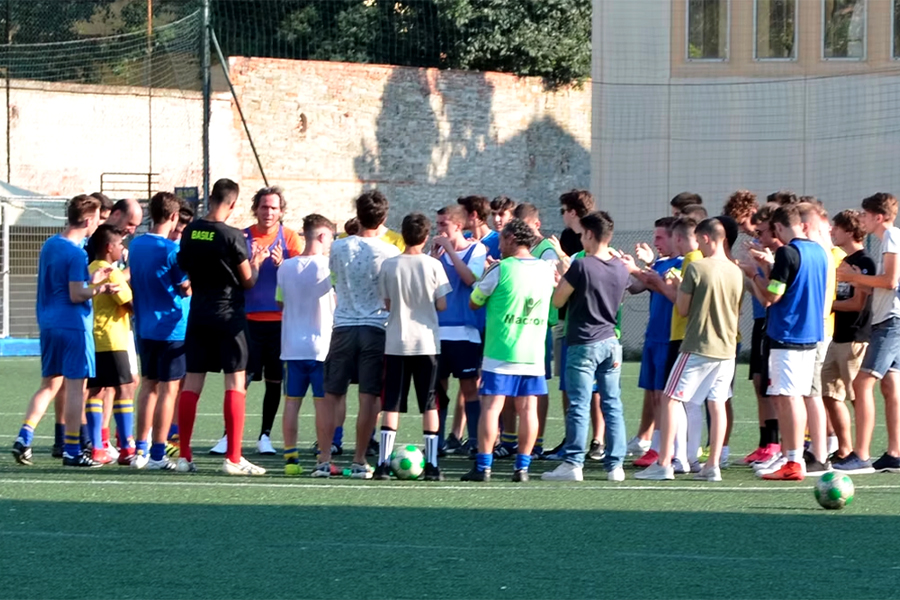
A.M.O. offers children and adolescents personalised motor activity pathways, monitored by professionals and developed together with healthcare staff, to support their physical, emotional and relational recovery after cancer treatment. Each pathway is built around the individual child, helping them rebuild motor skills, autonomy and self-esteem at their own pace.
The project acts as a genuine bridge between the end of medical care and full return to daily life, reducing the risk of social isolation and rebuilding confidence in what a child's own body can do again. It runs sustainably through collaboration between hospital staff, volunteers and partners who contribute their own skills and spaces, offering a structured route back to an active life that would otherwise be left to chance.
Who the project is for
The project is aimed at children and adolescents who are currently in treatment for, or have recovered from, oncological diseases, supporting their physical, psychological and social recovery.
Project name: LA PALESTRA DEI SORRISI
Proposing organisation: NICCO PARO
Area of intervention: Health & Welfare
Country: Italy