

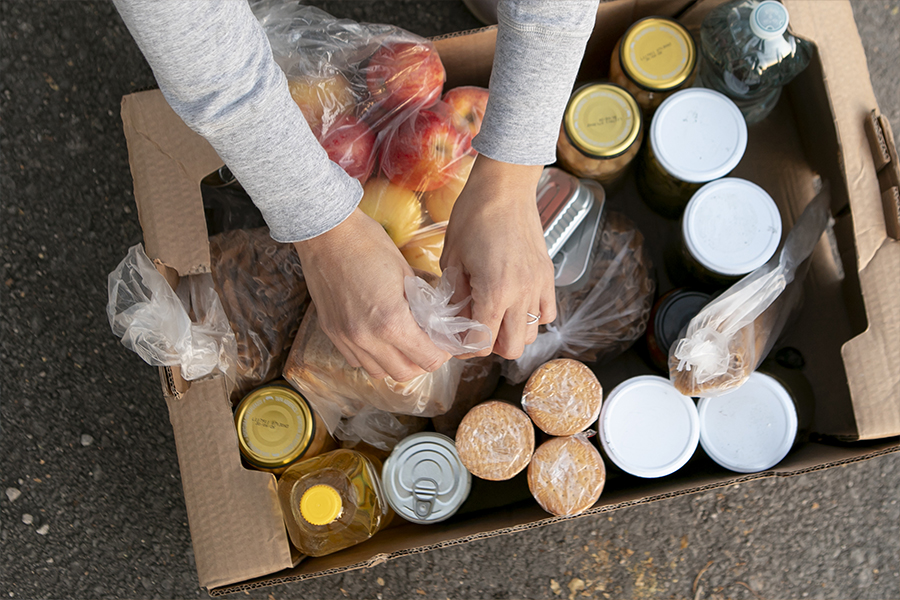


Food waste and food insecurity sit side by side in urban communities: safe, packaged food often goes unused and ends up discarded, wasting everything that went into producing and transporting it in the first place. What's missing is a visible, well-organised system to redirect that food, bring young volunteers into the effort, and actually measure the social and environmental difference it makes.
The project
Food Rescue Point pilots a safe, organised and digitally supported system that redirects surplus packaged food to people who need it, combining youth volunteering, social inclusion, environmental protection and practical green-skills development with real, measurable community impact.
The project is built on safety, dignity, accessibility, solidarity and responsible food handling, alongside active youth participation, transparency and evidence-based monitoring. Circular-economy thinking and community ownership run through the whole model, designed from the outset to be replicable elsewhere.
Who the project is for
The project's direct beneficiaries are at least 25 young volunteers, including 20 trained participants and 8 Food Rescue Ambassadors, together with the individuals and families who receive the rescued food.
Its impact reaches further, to at least 500 citizens reached face-to-face, students from at least two tourism schools, local businesses, organisations and a wider online audience.
Project name: Food Rescue Point
Proposing organisation: Hellenic Society for the Protection of Nature
Area of intervention: Inclusion & Social Development
Country: Greece