



Chile and the Valparaíso region face real, ongoing exposure to wildfires, earthquakes, tsunamis and severe weather events. Technical information about these risks, however, is rarely produced in a form that people with visual disability can actually use, widening the gap in how well-protected they are within their own community.
There is a genuine shortage of high-quality audio material translating scientific and preventive information for this audience. Closing that gap matters because it turns complex geographic and cartographic data into free, audible narratives, giving blind people the understanding they need to make real decisions about their own territory during an emergency.
The project
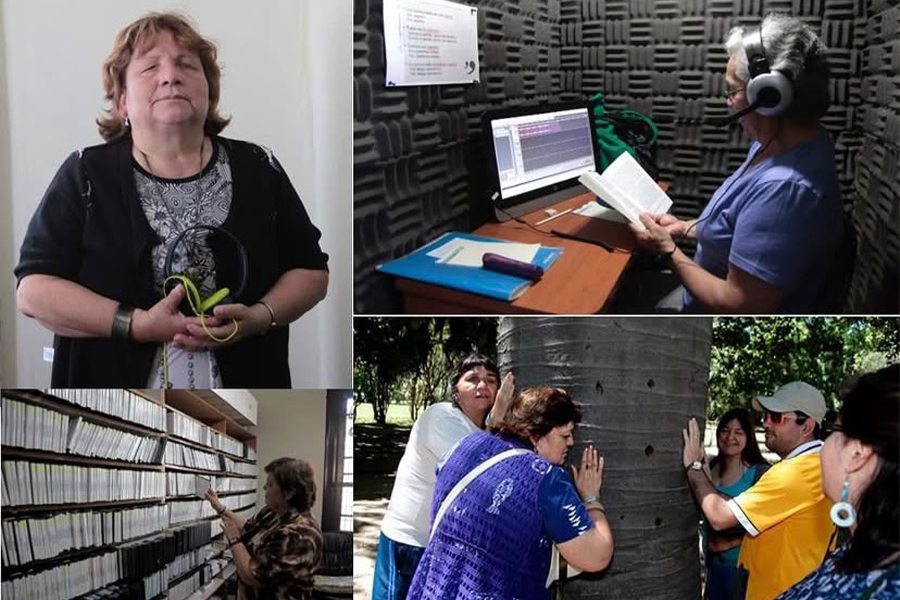
The project co-designs and freely distributes Chile's first audio magazine on territorial resilience, adapting six existing 2026 editions on socio-environmental risks into full audio description. Alongside the magazine itself, the project delivers accessible pendrives, runs testing workshops led by blind participants, and works directly towards empowering blind people to respond confidently in an emergency.
The project rests on universal accessibility, guaranteeing the right to preventive scientific information; autonomy and inclusion, giving blind people an active role rather than a passive one; pedagogical innovation, translating geospatial information into audio; and territorial sustainability, built through trained local capacity rather than a one-off production.
Who the project is for
The project's direct beneficiaries are 100 people who are blind or have low vision.
Its impact reaches further, to more than 1,500 family members and community members, who gain stronger preparedness and resilience in the face of natural disasters alongside them.
Project name: AUDIO - REVISTA CIENTÍFICA: COMPENDIO DE GEOGRAFIA Y RESILIENNCIA INCLUSIVA (EDICIÓN ESPECIAL 2027)
Proposing organisation: CENTRO DE GRABACIÓN PARA CIEGOS DE VIÑA DEL MAR
Area of intervention: Environment & Sustainable Communities
Country: Chile