




Unwanted loneliness, the experience of lacking meaningful relationships and emotional support, affects a significant share of Spain's adult population, with notably higher rates among young people, and higher still among people with disabilities, especially those who face communication or relational difficulties.
Young people with a mild intellectual disability or borderline intellectual functioning face a particularly high risk of social isolation, with real consequences for their mental health, autonomy and inclusion. Without specific support or genuine opportunities to build meaningful relationships, this isolation tends to deepen rather than ease on its own, which is what makes early, preventive action so important.
The project
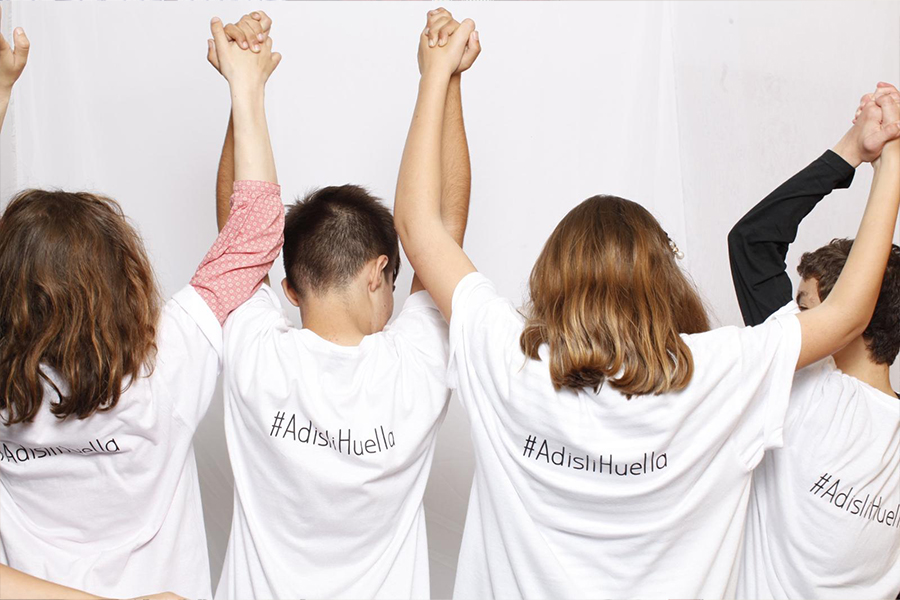
"Conectados contra la soledad" works to end isolation among young people with borderline intelligence, promoting their inclusion in community life through three connected strands of work: psychological support for emotional wellbeing, community leisure activities that help weave natural friendship networks, and dedicated support for building everyday social autonomy.
The project is built on equal opportunities, person-centred care, community participation and respect for diversity, placing each young person as the lead in their own life plan rather than a passive recipient of support. The aim throughout is a preventive, ethical and sustainable approach that helps genuine, lasting relationships take root.
Who the project is for
The project's direct beneficiaries are 69 adolescents and young people with a mild intellectual disability or borderline intellectual functioning who are experiencing social isolation.
Its impact reaches further, to an estimated 150 family members, who see their own support networks and wellbeing improve, as well as to professionals, volunteers and the wider community, helping build a more inclusive society overall.
Project name: Conectados contra la soledad
Proposing organisation: Adisli
Area of intervention: Inclusion & Social Development
Country: Spain